
CES 2026: ShowStoppers Product Highlights
CES 2026: ShowStoppers Product Highlights
Article by Angie Kibiloski

Arguably my favorite of the 3 large media events during CES week, ShowStoppers is held immediately after the exhibit halls close on the first day of the convention, which was January 6th this year. After a tiring day walking the show floor, the relaxed atmosphere of a ballroom at the Bellagio, with open bars and delicious buffet-style food is a welcome respite. As I was covering CES remotely this year, I avoided the exhaustion of the show, but missed out on the enjoyment of this private event. Thankfully, ShowStoppers provided an incredibly user-friendly press site where I could conveniently browse all 75 exhibiting companies and the cool new products they were showcasing. Below is a small selection of what I discovered, in brief, with hopes of bringing you more expanded coverage in the future.
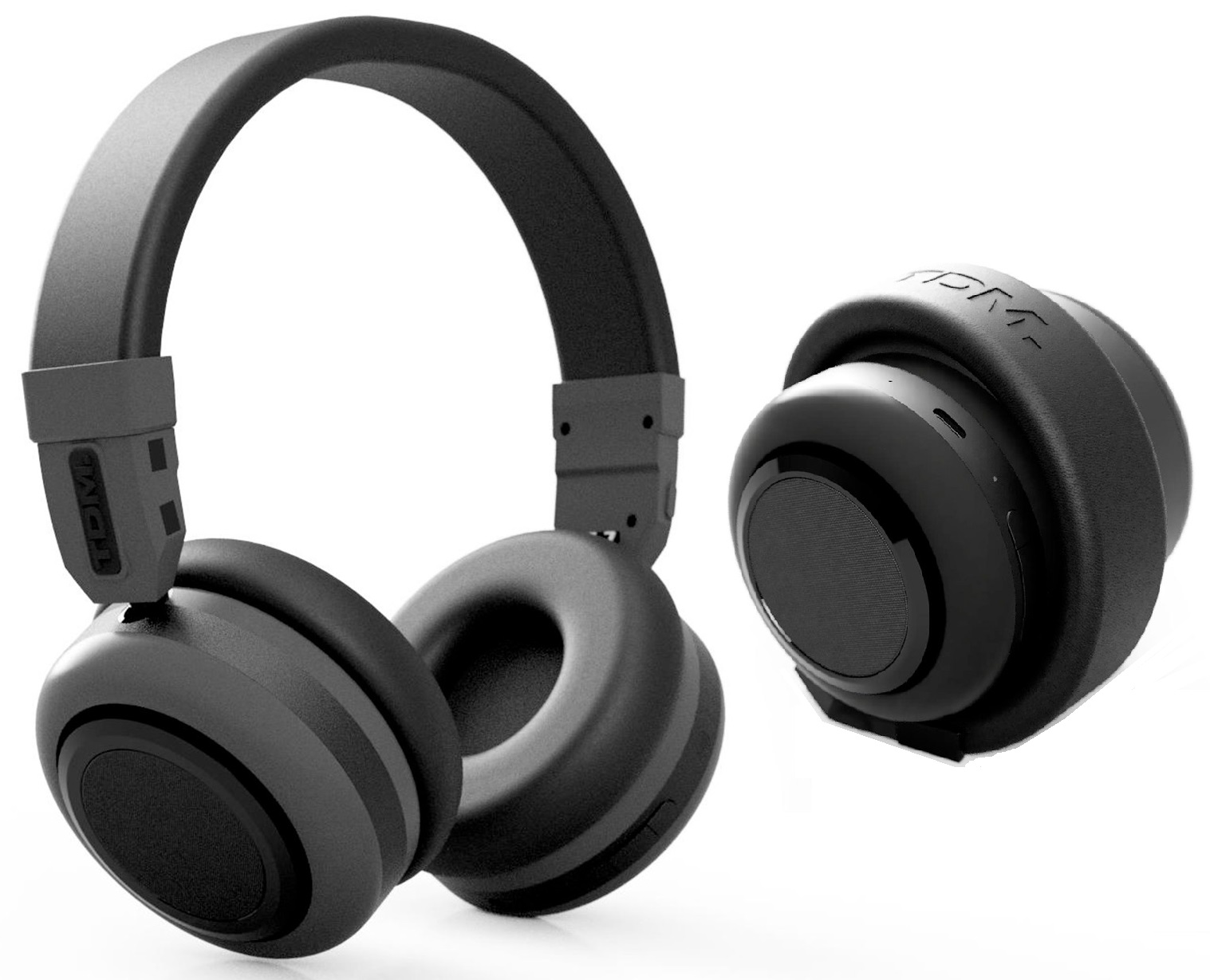 Let’s get the party started with the Neo Hybrid Headphone Speaker from TDM, a device that’s exactly what the name implies, a set of on-ear headphones that convert into a portable speaker, letting you switch from solo listening to party mode with a twist of the device. The Neo has 2 inward-facing and 2 outward-facing 44mm drivers, delivering a crisp and nuanced personal audio experience, as well as loud and clear sound when projected into the environment. When in headphone form, the soft vegan leather headband and detachable memory foam cups provide comfortable wear and passive noise blocking. Switching to speaker mode is super simple, just hold the ear pieces and twist to wrap the headband around the cups and create a sphere to rest on any surface. Super fast charging will give you a full battery in just 3 hours, and provide 10 hours of play in speaker mode, and an impressive 200 hours of play in headphone mode. The Neo Hybrid Headphone Speaker is coming out soon for $249, so head to the official TDM Neo launch site to sign up for release notifications and get in on the pre-launch Kickstarter discount.
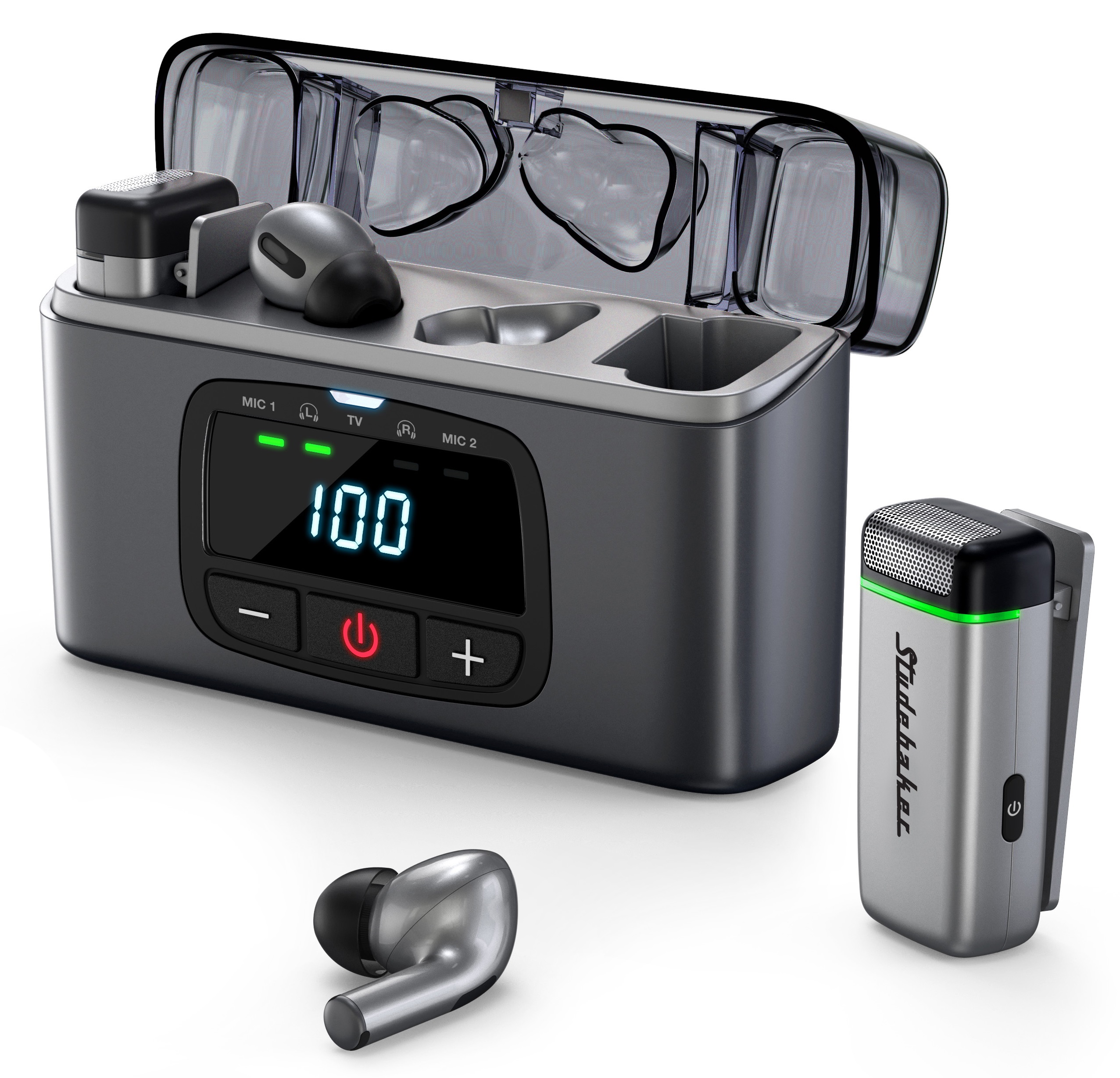 The Studebaker SB4200 AI Hearing System is a lower cost alternative to hearing aids, targeted towards people with mild hearing loss who may not need a full medical-grade device. The product comes with a charging case, which is also the central processing unit, housing 2 clip-on microphones and 2 earbuds. The mics pick up audio from their wearers or whoever is speaking nearby, then send it through the processing unit to the earbuds, filtering out ambient noise and isolating vocals along the way, making voices cleaner and clearer for the listener. The earbuds have a battery life of 3 hours, while the mics get 5 hours, rechargeable inside the case, which itself has a 2,000 mAh battery, rechargeable via USB-C. Control the volume and mute settings via the simple buttons on the front of the case, and check the battery status of all parts with the LED indicators.
Not everyone experiencing hearing loss needs a hearing aid that costs several thousand dollars. Some may just need a little help boosting the voices of their companions in a noisy environment, or if they’re a little too far away or at a bad accoustic angle. The SB4200 AI Hearing System is not a substitute for prescription-level devices, but would be perfect for those more casual cases, especially at an affordable $299.99. While currently sold out, stay tuned to the Studebaker site for a restock.
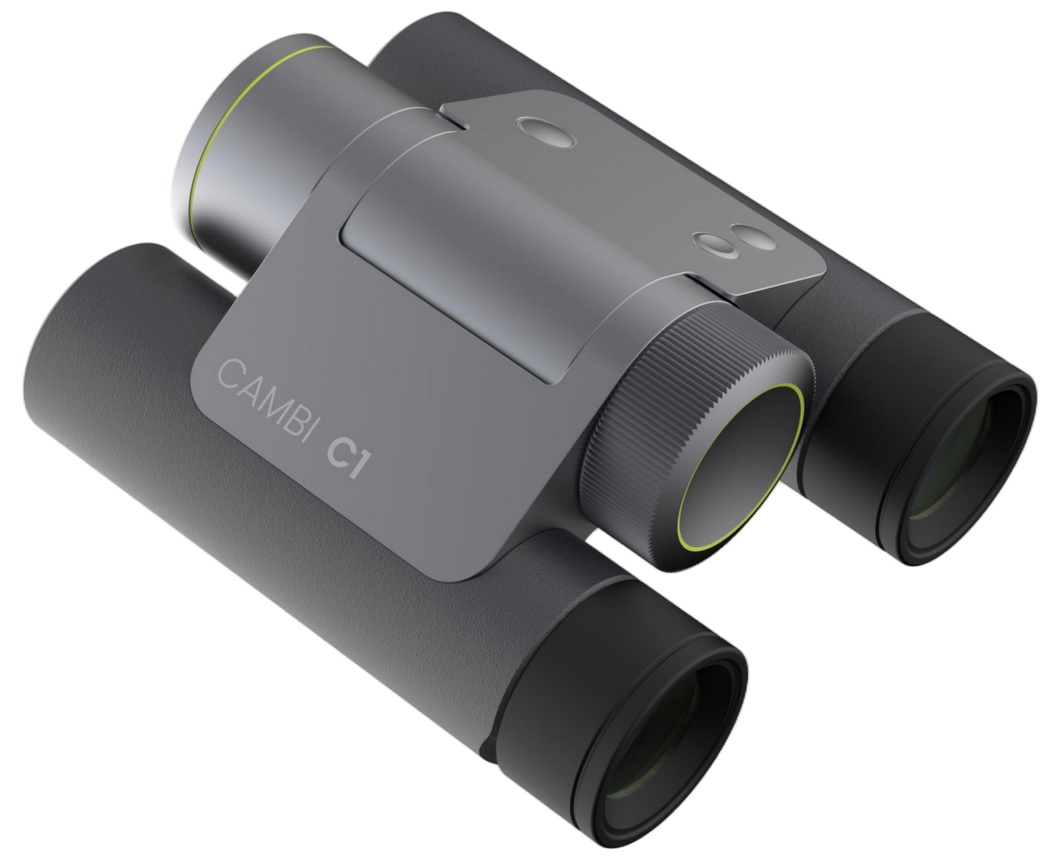 From audio to visual tech, next up is the CAMBI C1 Smart Binocular, which aims to be the single tool you need for all of your nature watching and photo capturing needs. Combining top-tier viewing, photography, and AI identification, the C1 will let you spot, capture, and learn about the world you see, all without switching devices. Starting with the base binocular viewing tech, it has a wide 8.2° angular field of view, with 32mm lenses, 8x magnification, and high-index BAK4 prisms for bright, true-to-color light transmission. Durable yet lightweight, compact, and easy to operate, the CAMBI C1 would be a quality device even if the tech inside stopped here, but wait, there’s more. Easily switch to high-res camera mode at the touch of a button without lowering the device or adjusting settings, capturing what you see when you see it, and empower the AI to give you real-time information on the subject in focus.
The camera lens features a 50MP sensor for clarity, a digital telephoto lens for high quality distance performance, and a combo of sensor-shift optical and electronic image stabilization (OIS and EIS) to dramatically reduce long-range image blur. It has sensor + AI autofocus to sharply grab the subject of your image even during movement, low-light enhancement algorithms to reduce backlight silhouetting, and other AI image enhancements, both for still shots and video capture. AI is also the heart of the informational aspect of the C1, and can provide insight on the subject of your focus, right inside the viewing port in an AR style display. It draws from a huge database of thousands of birds, animals, and celestial bodies, with continued updates as the data sources expand. The CAMBI C1 Smart Binocular is still in the development phase, but you can stay updated on its launch progress at CAMBIVision.com.
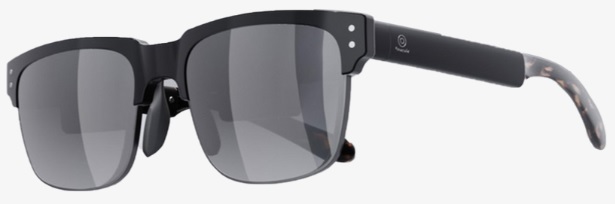 The Innovega Gen I AI-Powered Smart Glasses are another piece of viewing tech currently in the development phase, which sidesteps the standard virtual assistant style wearable and shifts focus to accessibility features for the visually impaired. Through advanced lens tech and image processing, these glasses will enhance anything from environmental surroundings, to faces and object, to images and text, and help people with moderate vision loss navigate the world more clearly. Where other recent vision enhancing wearables have been bulky and more closely resembling headsets than glasses, the Gen I will look like standard smart glasses, with slightly larger frames than regular eyewear to house the capture and projection tech, but still be lightweight and unobtrusive.
The frames are worn like regular glasses, with the ability to swap prescription lenses as needed, and have a discrete camera built into the bridge, which constantly captures the view in front of the wearer, and projects an enhanced version onto the HUD within the lenses. Managed via touch controls on the frames, or through the connected app, the wearer can adjust how they see things in the HUD with settings like brightness, clarity, zoom levels, and other personalizations. The HUD does not block out the real environment from a wearer’s view, but gives them control over what and when they need extra clarity. With so many people worldwide struggling with a spectrum of visual impairment, these glasses seem like a fantastic advancement in assistive devices. As mentioned, the Gen I Smart Glasses are still being developed, but launch is projected for 2026 so keep your eyes on Innovega.io for this next phase of vision enhancing consumer technology.
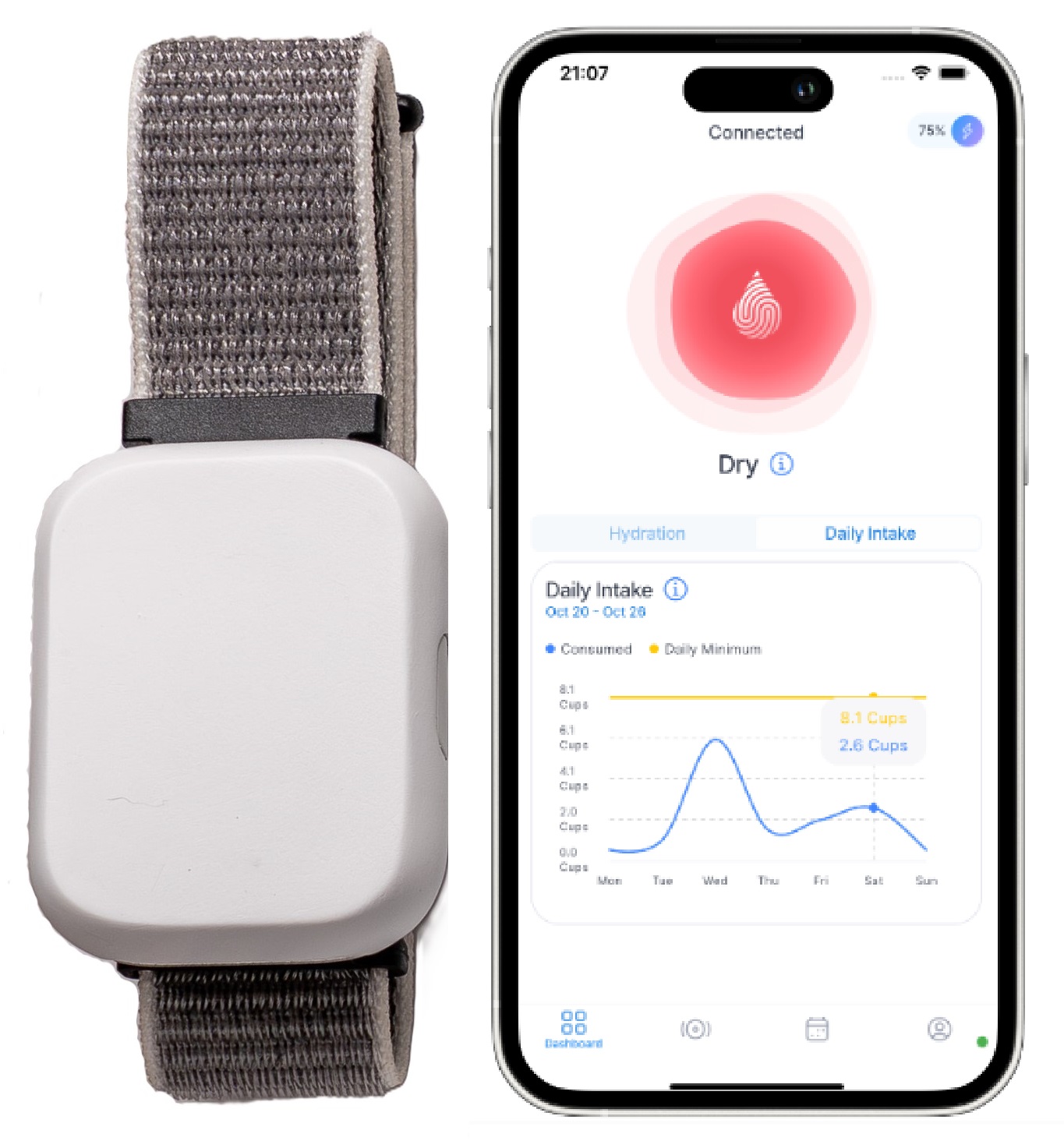 Whether you’re listening to beats or bird spotting, it’s important to stay hydrated, and Hydrostasis has your back with their new wearable. The Geca Watch 2.0 is a hydration monitoring wristband that sends you alerts at the first sign of dehydration, so you can drink some water before you feel any adverse effects. Its optical sensors are able to continuously monitor hydration levels through minute changes in the skin, agnostic of age, body type, and skin tone, beginning just 2 minutes after initial readings, with personalized accuracy improving within a week. Dehydration can cause a range of health problems, from mild elevation in blood pressure and heart rate, to fatigue and brain fog as it gets worse, and even kidney damage if it becomes severe, and it’s so easy to become dehydrated before you feel any warning signs. Sometimes I go all day without drinking water, and only realize that I’ve forgotten that vital element when I start to feel a bit unsteady. The Geca Watch 2.0 would be an incredible asset to remind me to reach for the water glass more frequently.
The recommended 8 glasses of water per day isn’t accurate across the board, as individual needs are going to vary depending on genetics and lifestyle. The Geca Watch 2.0 can provide more personalized recommendations based on your unique needs, detected by its patented light-sensing technology. These readings are analyzed by the AI inside, and you’ll see the results via LED colors on the watch itself, or in a more robust analysis in the app. With 60 hours of battery life, and just a 2-hour quick charge window, there’s no excuse to unknowingly suffer dehydration again. Geca Watch 2.0 is available to purchase for $449 right now at Hydrostasis.com.
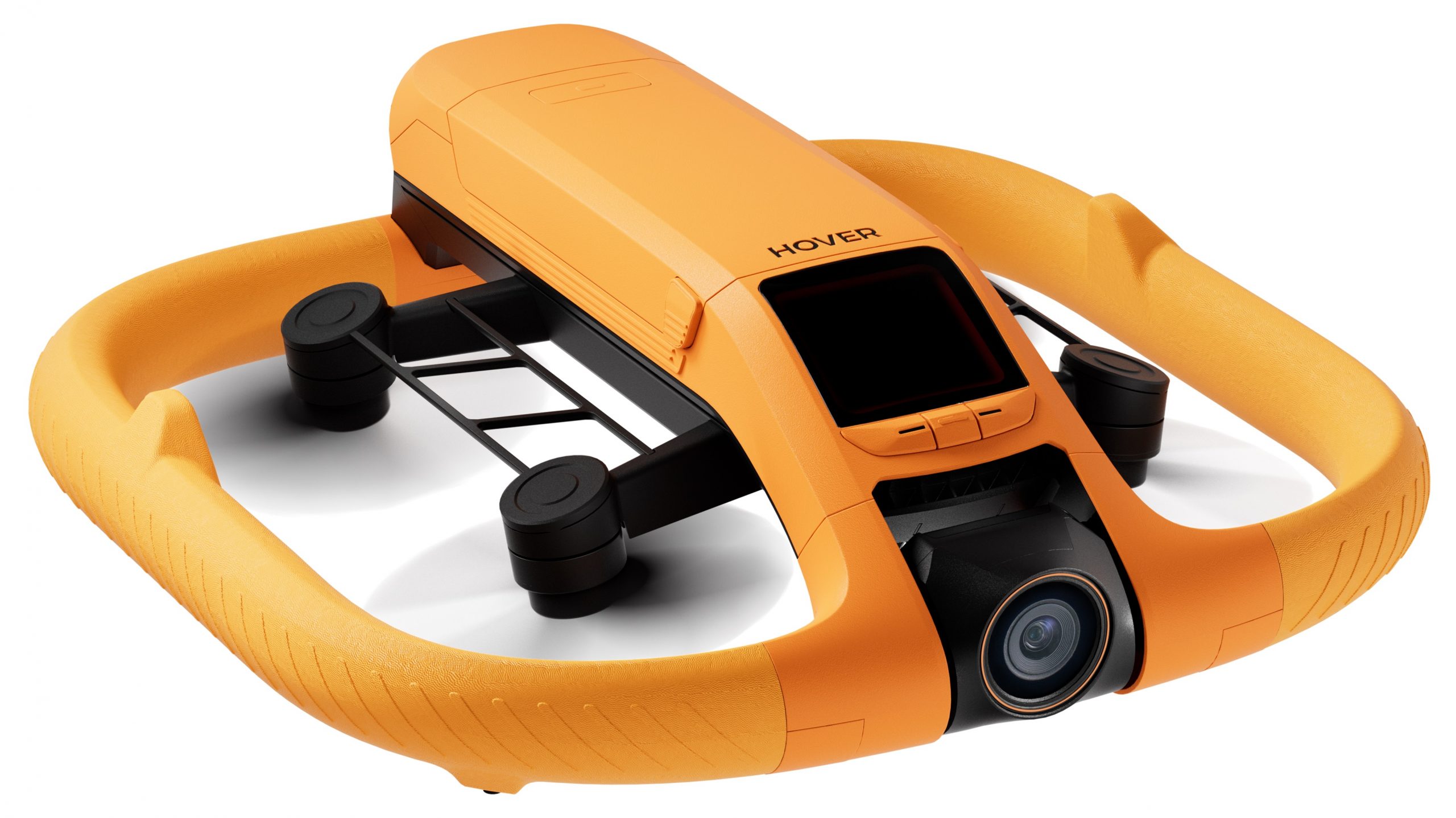 Sticking to water, but in a fun way, the HOVERAir AQUA is a 100% waterproof, self-flying drone camera, made especially with watersports enthusiasts in mind. This autonomous drone locks onto and follows its subject, without the need for active hands-on remote control, making it a perfect videography companion for any water-based activity. The connected Lighthouse armband acts as its virtual tether, keeping the drone on target and in range, and allows the wearer to control take-off, recording, mode-switching, and landing, with just the touch of button. The AQUA has 15 flight modes, is wind resistant up to 33 knots, and IP67 water resistant, allowing it to hover effortlessly above the water or float on the surface, ideal for capturing every angle you may want to film. Palm-sized and portable, this little AI-powered buddy weighs in at just 249 grams, and can fly by your side at 34 mph, for up to 23 minutes at a time. The camera has 4K resolution, a 1/1.28” CMOS sensor, a hydrophobic lens, and multiple filming settings including 100 fps slow-motion.
It was launched on Indiegogo back in August, with the first batch of backer-funded units shipping out in February. Unfortunately, while you can watch some videos of the AQUA in action on its campaign page, you’ll no longer be able to purchase a unit that way. Circle back to HOVERAir.com sometime after the initial shipments if you want to land an AQUA when it joins the rest of their fleet of camera drones available to the public.
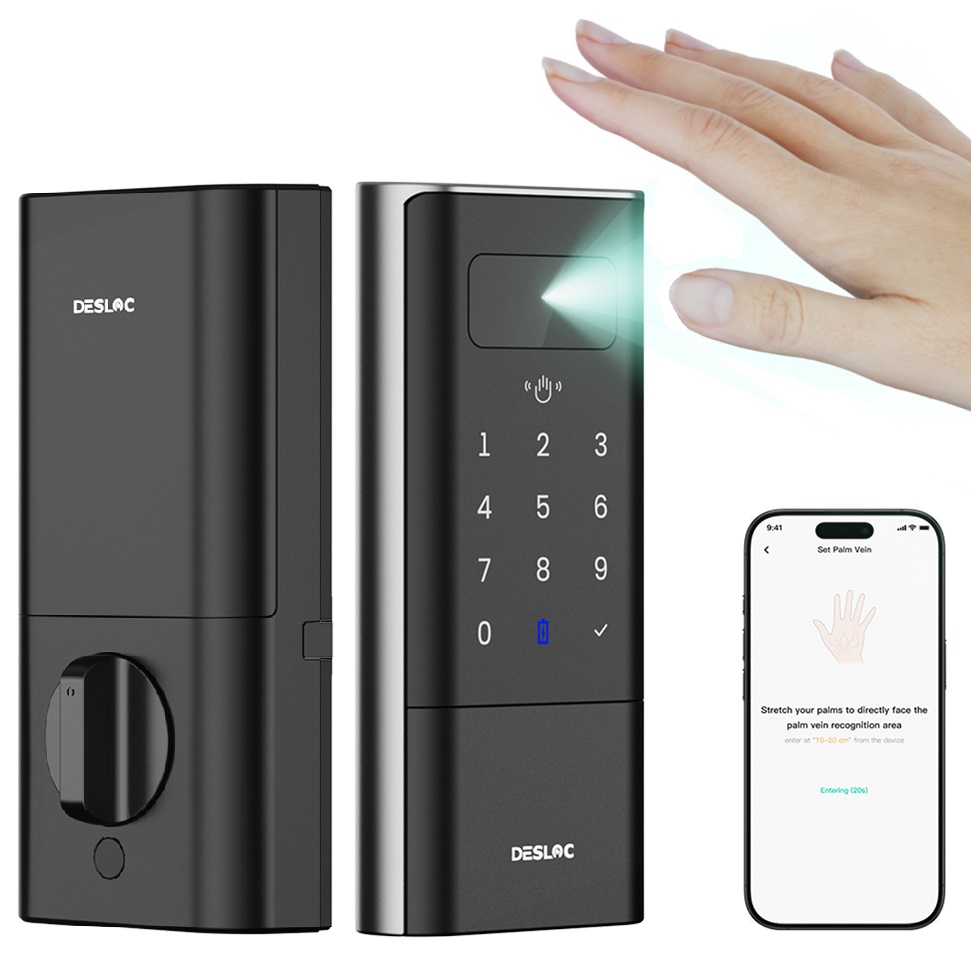 Rounding out my product highlights with a bit of tech for your home, the DESLOC K140 Plus smart lock is a nifty contactless spin on a biometric deadbolt that will make you feel like a Jedi. By just waving your palm in front of its motion sensing radar, the K140 Plus will read your unique vein patterns to identify you and grant you access, while detecting if the palm it’s reading is connected to a living person, or just a photo or other replica to further prevent fraudulent entry. You can also use the remote unlocking feature via the app if you aren’t within range of the proximity sensor, or via voice control through Alexa or Google Assistant, but personally I’d rather walk over and pretend I have Force powers. The physical lock has an IP65 waterproof rating, a hidden keypad for optional code input if you’ve set that up in the app, and a rechargeable 10,000 mAh battery, which can also be used as an emergency power supply via USB-C cable. It will lock automatically when the sensor detects the door is fully closed, so you never have to worry about forgetting to turn it. The K140 Plus will be launching in February for just under $200, with pre-ordering available very soon at DESLOC.com.
That wraps up my product picks from ShowStoppers that I found most interesting. There were, of course, many more on offer that night, but these caught my attention and held it. Those still in development will be difficult to cover further anytime soon, but I hope to deliver some more in-depth reviews of the few products that are currently or soon to be available on the market. Until then, get more CES product highlights in my articles on CES Unveiled and Pepcom’s Digital Experience, and come back shortly for my final CES coverage of the main exhibit halls.